Metal never lies. If your security gates groan, stick, or wobble, they’re telling you the truth about wear you can’t see yet. The best time to fix a gate problem is before it becomes a breach, a jammed storefront, or a late-night call-out that empties your petty cash faster than a smash-and-grab. Maintenance isn’t glamorous, but it’s the cheapest insurance a business can buy.
This guide pulls from years of maintaining and specifying commercial security gates for retail, hospitality, industrial sites, and public buildings. Whether you rely on scissor security gates at a loading bay, accordion security gates across a mall storefront, or expanding security gates along a hallway, the fundamentals are the same. Keep the moving parts clean, aligned, and lubricated, keep the anchors solid, and keep people trained to use the thing correctly. Do that, and even a busy storefront in Kelowna that opens and closes a gate ten to twenty times a day can see a decade or more of steady service.
The three enemies of a good gate
Water, dirt, and impatience. Rain and condensation creep into bearings and tracks, then invite rust. Dirt grinds like aggressive sandpaper. Impatience slams gates closed, drags them by the weakest handle, and treats locks as pry bars. All three are easy to control with a small routine and a few cheap supplies.
Now, different gate types wear differently. Scissor security gates hang weight on pivot points and rivets, which stretch over time. Accordion security gates rely on folding knuckles and track wheels, so misalignment shows up as snagging. Expanding security gates often run free on the floor or a bottom guide, which accumulates grit and gum. Each style deserves a slightly different eye during inspection, but the maintenance cadence is similar.
What “good shape” means in practical terms
A well-maintained commercial security gate should open and close with one hand, quietly. The track should be free of kinks and dents. The gate should sit plumb when closed, with even gaps against posts and walls. The lock should seat smoothly without a jiggle routine. If you need two hands, a hip bump, and a prayer, you’re already in the repair zone.
On a new install, I ask staff to run the gate ten times in a row. Learn the normal weight, the normal sound, the point where it begins to fold. Six months later, if it feels heavier, you’ll notice. Your hands are better sensors than any torque spec on paper.
A realistic maintenance frequency
Usage dictates schedule. A boutique that https://franciscovxid492.lucialpiazzale.com/commercial-security-gates-budgeting-for-upgrades opens once in the morning and closes at night can run quarterly care. A busy grocery entrance with an accordion gate and carts clipping the bottom bar needs monthly attention. Outdoor installations near roads with winter grit and spring pollen benefit from shorter intervals, especially in the shoulder seasons when wet grit is at its worst.
Here’s a simple rule of thumb: every 500 open-and-close cycles, do a full lube and inspection. That lines up to monthly for heavy use, quarterly for light use. If you manage multiple locations, log cycles by estimating daily use and multiplying. It doesn’t need to be perfect. Consistency beats precision.
The quiet backbone: cleaning
The single best maintenance task for longevity is cleaning the track and joints. The second best is doing it again before you think you need to. Dirt plus lubricant turns grease into abrasive paste. So clean first, lube after.
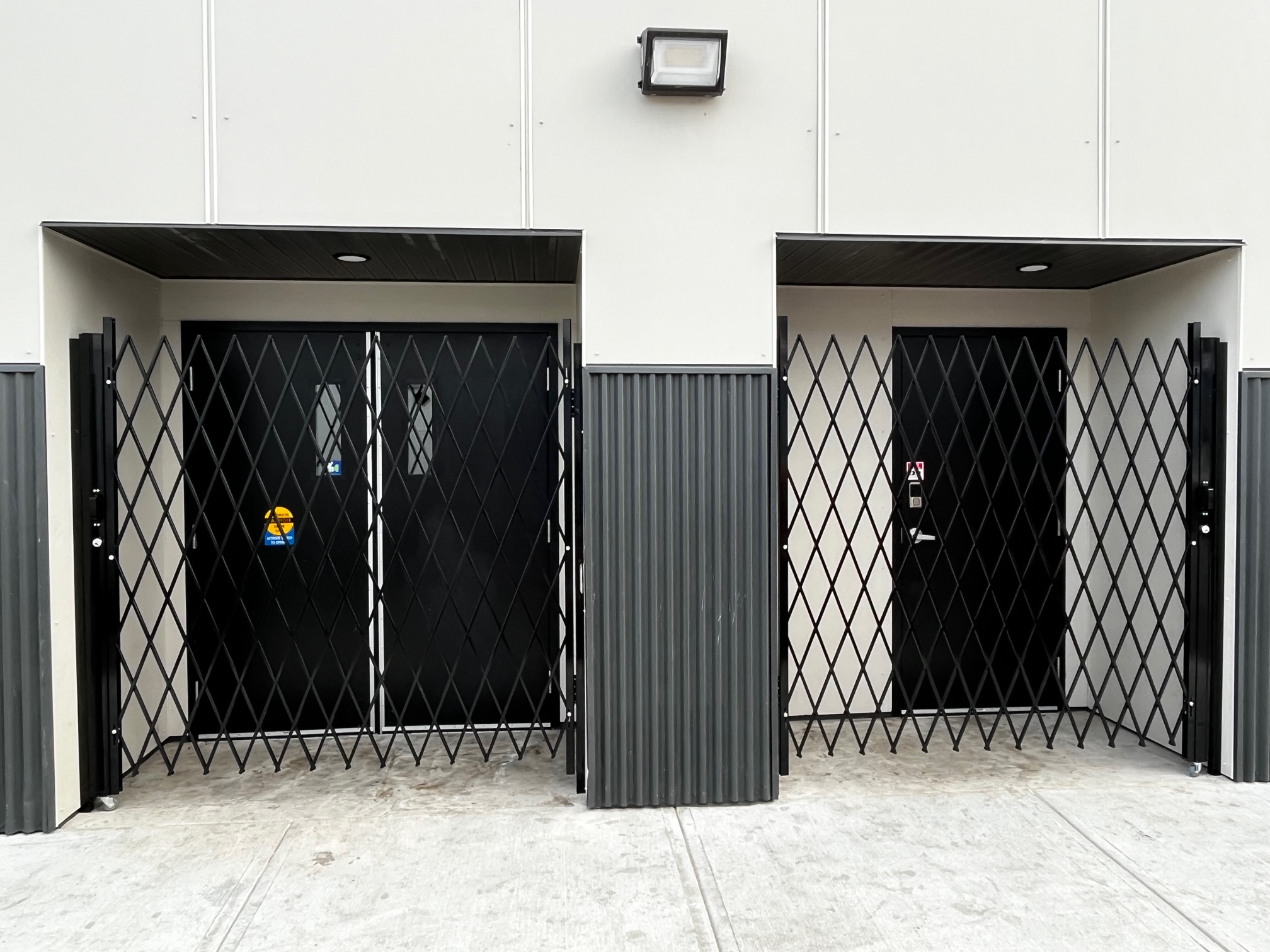
For indoor accordion security gates, vacuum the track weekly and wipe with a dry microfiber cloth. For scissor security gates in loading bays or alleys, plan on more aggressive cleaning: a damp cloth with a mild degreaser in spring and fall, plus a rinse. If you have expanding security gates in Kelowna, or any climate with de-icing salts, rinse the bottom guides and base plates at winter’s end. Salt starts corrosion faster than you can say “replacement quote.”
Lubrication that doesn’t bite back
Lubricant choice depends on environment:
- For indoor tracks and rollers, a dry PTFE spray keeps dust from sticking. For pivot points, hinges, and axles, a light machine oil or a synthetic penetrant with a protective film works well. Avoid heavy grease on exposed joints. It looks helpful, then becomes a dirt magnet.
Apply sparingly. If you can see wet drips, you’ve overdone it. Wipe off excess. On locks and cylinders, use a graphite or PTFE-based lock lubricant, not oil. Oil collects dust and turns keyways gummy.
Alignment is not a suggestion
Most gate failures start small. A floor plate loosens, a top track bows slightly, or a fixed post shifts half a degree. The gate starts to bind, staff learn a weird workaround, and the workaround accelerates wear. Catching alignment issues early saves money.
For scissor security gates, sight along the top bar when the gate is fully open. It should form a straight line without dips. With accordion security gates, run a fingertip along the top track as you walk; you’ll feel dents you might not see. For expanding models, check that the casters or bottom guides track straight without side loading. If you see scalloped wear on a wheel, something is out of square.
When alignment is out, investigate anchoring first. Lag bolts in wood backers can loosen as fibers crush. Masonry anchors can spin if the hole was oversize. In steel, a welded tab can crack at the heat-affected zone. Tighten methodically, and replace hardware that feels suspect. Threadlocker is cheap and prevents slow loosening from vibration.
Fasteners, rivets, and the quiet creep of fatigue
Security gates spend their lives flexing. Over time, rivets elongate holes and bolts unwind. You will not hear the first click. Set a habit: every scheduled maintenance, pick ten fasteners at random and check torque or movement. If three or more are loose, tighten everything and note the date. Consistent loosening hints at higher forces in play, often alignment or handling.
On scissor gates, pay special attention to the pivot rivets, center braces, and the connection to the lock jamb. On accordion security gates, focus on wheel axles, knuckle joints, and the stops that prevent over-travel. If you can move a riveted joint laterally with fingertip pressure, it’s near end of life. Replace before it tears and distorts the surrounding metal.
Locks and keys, the daily culprits
Most service calls start with “the key won’t turn.” Ninety percent of the time, the lock isn’t the problem. The gate is misaligned, the throw bolt is binding, or staff are lifting the gate slightly as they turn the key, which masks a deeper issue until a cold morning makes the metal shrink and seize.
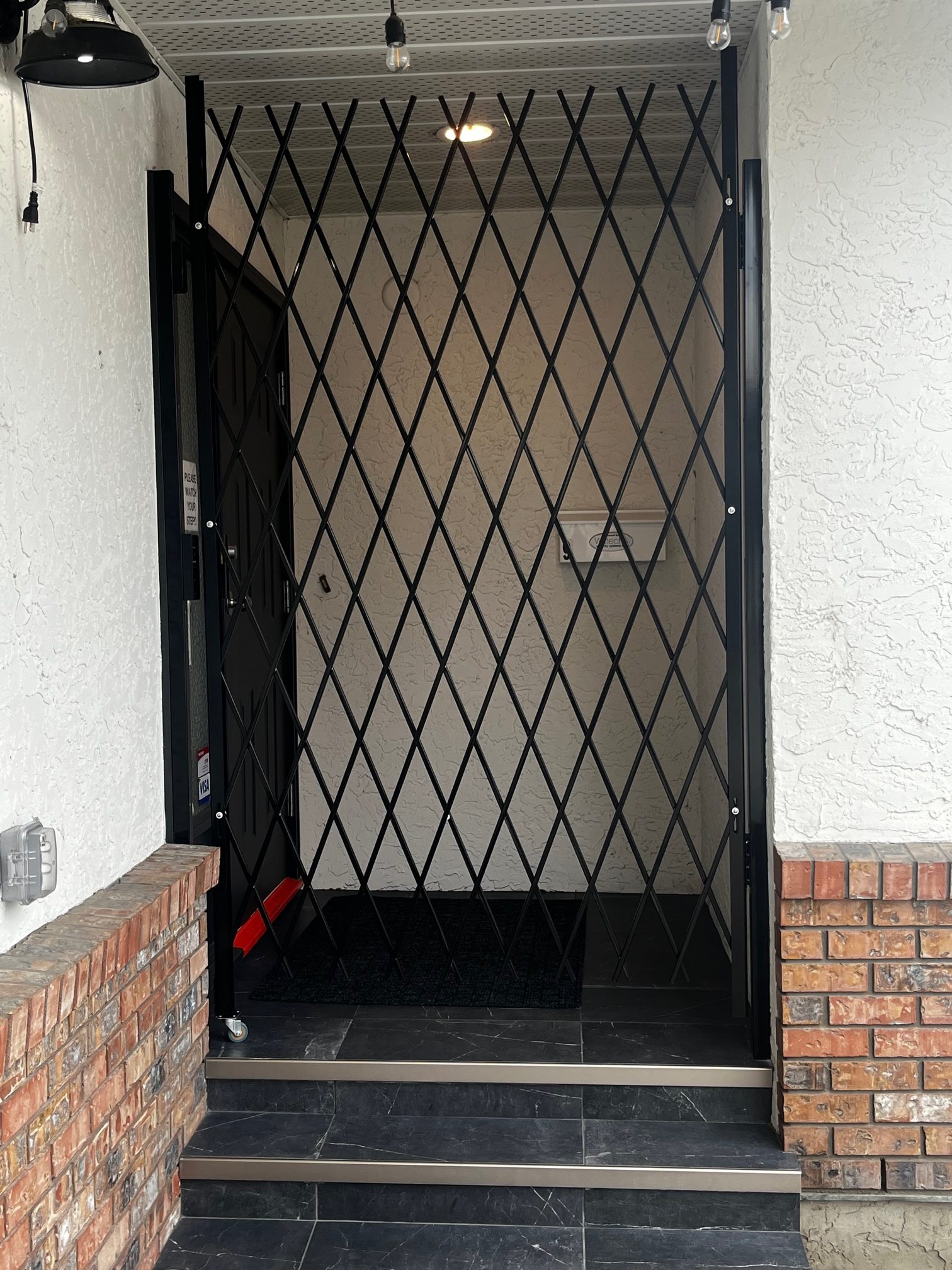
Train staff to close the gate fully against the strike, then turn the key without force. If it resists, don’t muscle it. Pull the gate back an inch, try again, and note the behavior. During maintenance, inspect the strike plate for peening, clean the cylinder, and test the spare key. Worn keys chew up cylinders. If your location uses a master key system, plan periodic recutting rather than photocopying a worn key profile forever.
Weatherproofing and corrosion control
Outdoor commercial security gates live hard lives. UV dulls finishes, rain brings corrosion, and winter introduces thermal cycling that stresses fasteners. Painted steel should be touched up the moment you see a scratch. Even galvanizing benefits from a zinc-rich cold galvanizing compound on cuts and scrapes. Aluminum resists rust but can pit in salty environments, so wash it, especially around hardware where dissimilar metals can trigger galvanic corrosion.
If you’re in a coastal area or a city that salts roads, consider stainless hardware from day one. It costs a little more at the outset, far less in the long run. If you inherited a gate with zinc-plated bolts that are furred with rust, replace them during your next inspection cycle. A corroded bolt doesn’t just look bad, it loses clamping force and invites misalignment.
Training: the cheapest upgrade you’ll ever make
I’ve watched a well-meaning employee yank a new gate sideways to make it close faster. The gate closed, and we also cut the life of the rollers in half. Five minutes of training prevents five hours of repair.
Teach three things. First, open and close on axis, keeping hands near the center of mass, not the far edge. Second, never slam to “seat” the lock. Third, don’t hang merchandise hooks or signs on the gate lattice. That extra weight adds up and pulls the geometry out of true. Post a short note near the gate. People forget, notes do not.
When to call a professional security gate supplier
Most businesses can handle cleaning, basic lubrication, and visible fastener checks. Call a security gate supplier when you see metal deformation, cracked welds, significant track damage, or recurring lock misalignment. Suppliers carry the right rivets, specialty wheels, and replacement knuckles that generic hardware stores don’t stock. They also have jigs to true tracks, which matters after a forklift kiss.
If you’re sourcing new expanding security gates for business expansion or a renovation, involve the supplier early. Good suppliers will match gate type to use case. For example, a wide opening with heavy foot traffic might get an overhead-track accordion model with ball-bearing trolleys, while a back corridor gets a scissor model that stacks tight beside an exit. A reputable supplier will also spec anchors appropriate to your wall type. The wrong anchor works fine until the day someone leans on the gate, and then you own a preventable failure.
If you operate in British Columbia, you’ll find that expanding security gates in Kelowna see big temperature swings from summer heat to winter cold, which can change the way metal behaves day to day. Let your supplier know your exact location and exposure. They’ll adjust lubricant recommendations and hardware choices accordingly.
The maintenance kit that actually gets used
You don’t need a rolling tool chest. Most shops do well with a small tote and a logbook. The tote should carry a dry PTFE spray, a light machine oil, a can of compressed air or a small hand blower, a mild degreaser, a nylon brush, a microfiber cloth stack, a set of hex keys, a multi-bit screwdriver, a small adjustable wrench, a low-range torque wrench if you’re meticulous, a handful of spare screws the gate actually uses, and a lock lubricant. Add blue threadlocker and a zinc-rich touch-up for steel gates.
The logbook matters more than the tools. Write the date, the tasks performed, and any anomalies. I once saw a pattern of lock sticking every third Friday. Turned out the cleaning crew mopped with a citrus solvent that misted the bottom of the gate and crept into the strike over the weekend. Without the log, we’d still be swapping cylinders.
Troubleshooting common symptoms
A gate that drifts open when “closed” points to out-of-plumb posts or uneven floor. Shim the base plate or adjust the strike so the lock bears evenly. If the gate refuses to stack compactly, check for bent lattice links or a top track dent that pins one or two rollers. Straighten or replace the damaged segment rather than forcing it closed, which spreads the bend to adjacent components.
Squealing during operation usually means dry rollers. If the squeal persists after lubrication, the roller bearings might be contaminated or the axle bent. Replace the wheel assemblies as a set when possible, so balance remains consistent. A gate that bows outward during closure indicates overstressed links or someone has been pushing cargo against it during the day. Inspect each link for micro-cracks around rivet holes. Replace damaged sections before they fail under load.
A lock that works in warm afternoons but not cold mornings is a temperature tolerance warning. Metal contracts in cold, which tightens clearances. Slight misalignment becomes a bind. Adjust the strike with a card-stock spacer on a cold day so you bias the fit toward the tight condition. The fit will feel slightly looser in the afternoon, which is better than a stuck gate at 7 a.m.
Safety and code realities you can’t ignore
Commercial security gates live inside a web of occupancy codes and fire egress rules. A beautiful gate that violates egress is a liability, not a deterrent. Never block a designated exit route with a locked gate during business hours. If your site relies on gates after hours, confirm that emergency egress doors behind the gate have panic hardware accessible as required. Where panic hardware and gates must coexist, consult the authority having jurisdiction and your security gate supplier for compliant configurations.
For powered accordion gates on large openings, integrate safety edges or sensors if traffic flows nearby. People do strange things when a gate starts moving. If your gate is manual, keep hands clear of scissor points. A simple vinyl guard strip on pinch zones reduces injuries, which reduces incident paperwork, which reduces your blood pressure.
Indoor versus outdoor mindset
Indoors, your enemies are dust and misuse. Outdoors, plan for water management. Ensure bottom guides don’t become dams that trap water against the building. Look for weep holes or design slight grade away from the structure. If snow is common, train staff to clear snow from the track before opening, not after it packs into ice. A metal scraper will do more harm than good. Use a plastic shovel and de-icer that won’t attack metal, and rinse residues later.
For gates at street level, install simple bollards or wheel stops to keep delivery trucks and trash bins from nudging the gate. A one-time hit can deform a top track enough to haunt you for years. Five minutes with a drill and concrete anchors can spare a lot of torch-and-straighten sessions later.
Choosing materials that age gracefully
Steel remains the workhorse for security gates. It takes abuse and holds shape, especially in scissor security gates where rigidity matters. Galvanized steel with a good powder coat resists weather in most urban environments. Aluminum shines for accordion security gates where weight savings reduce wear on rollers and tracks. It also looks sharp in retail settings. Stainless steel has its place in coastal and food-grade environments, but mind the cost and expansion characteristics; it moves more with temperature changes.
Hardware often determines lifespan more than the frame material. Use sealed bearings where possible on rollers, and specify stainless or high-grade zinc hardware that matches the frame material to avoid galvanic mismatch. The extra 5 to 15 percent you spend upfront comes back threefold in reduced service calls.
A proven seasonal plan
Spring is for recovery. Clean winter grit from tracks, rinse off salt, and spot-treat rust. Look for loosening from thermal cycling. Summer is for lubrication and alignment checks. Heat expands metal, so verify that your lock fit still seats cleanly mid-day. Fall is for fortifying. Touch up finishes, inspect weather exposure, and re-torque anchors before freeze-thaw cycles begin. Winter is for vigilance. Clear snow, manage ice, and keep a rag and PTFE spray near the door for quick fixes that prevent staff from forcing a sticky gate.
If you manage a portfolio of stores or facilities, stagger your seasonal deep-dive so you spread the load. A two-week window per season keeps surprises rare.
When replacement is smarter than repair
Metal fatigue has a quiet point of no return. If your gate shows multiple elongated rivet holes, recurring track deformation, or widespread lattice distortion, you’re pouring time into something that no longer holds tolerance. Modern commercial security gates, especially accordion designs with upgraded carriers and trolleys, often outperform older models by a wide margin. Factor labor, downtime, and the risk of a failure that leaves a storefront unsecured. Replacement can pay for itself in saved service calls within two to three years.
When you do replace, measure the opening carefully in three places: top, middle, bottom. Buildings settle. If the opening is out of square, a custom-fit track and strike make daily operation effortless. Work with a supplier who visits on site rather than quoting from a photo. The difference shows up each night when staff close up without a second thought.
A short, realistic routine the team will follow
Below is a compact routine that fits into daily and monthly rhythms without drama, tuned for most security gates for business use. Keep it posted near the gate.
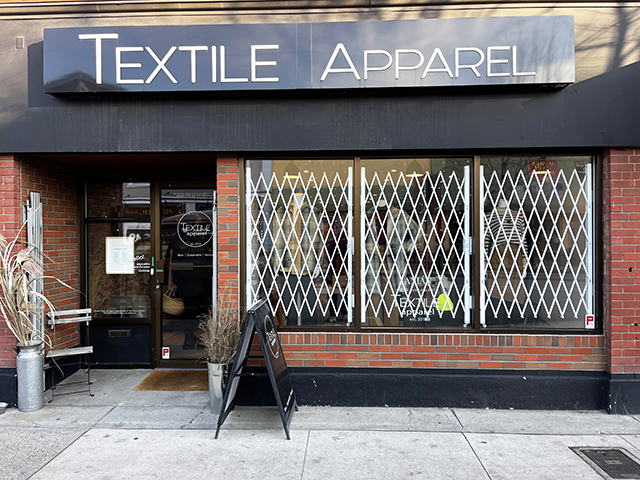
- Daily close: brush or wipe debris from the bottom guide or floor area, close on axis, and lock without force. Weekly: vacuum or wipe the top track, test the key with a gentle hand, and listen for new noises. Monthly: clean the track and joints thoroughly, apply dry PTFE to track and light oil to pivots, check ten random fasteners, and note anything abnormal in the log. Quarterly: inspect alignment, touch up paint on scuffs, clean and lube the lock cylinder, and verify anchors are tight. Annually: schedule a supplier inspection for high-use or outdoor gates, and replace worn wheels or riveted joints on a preventative basis.
A quick word on aesthetics and customer experience
Security shouldn’t feel hostile. A clean, quiet gate sends a message of professionalism, not paranoia. Retailers with accordion security gates across storefronts often find that customers judge the brand during opening and closing. A smooth slide, a crisp lock, and a gate that stacks neatly without rattles set the tone. The same holds for hotels and venues that close off wings or bars after hours. Well-maintained gates fade into the background, which is exactly where security belongs.
Working with your local partner
If you’re searching for a security gate supplier, ask for references with similar use cases. A supplier who has supported expanding security gates for a local supermarket chain will understand abuse patterns better than someone who only does residential bars. In regions like the Okanagan, vendors familiar with expanding security gates Kelowna installs will factor in dust, seasonal shifts, and local code nuances. Good partners also stock spare parts, which turns a potential multi-day closure into a 30-minute tune-up.
The payoff
Look at maintenance as a margin tool. A gate that lasts fifteen years instead of eight cuts your annualized cost in half. Fewer service calls mean fewer late lock-ups, fewer overtime charges, and fewer mornings spent explaining why the storefront was unsecured. More than once I’ve watched a business dodge a break-in because the gate sat flush, the lock engaged fully, and the would-be thief chose to move on. That’s the quiet return on a little oil, a cloth, and a habit.
Treat your commercial security gates as working machines, not background furniture. Give them a routine. Use the right lubricant. Keep them aligned. Train the people who touch them. And when the metal starts telling you it’s tired, listen early. Your bottom line, your staff, and your sleep will thank you.
Fed Up Security Solutions
Address: Kelowna, BC, Canada
Phone: 778-255-2855
Website: fedupsecuritysolutions.ca
Email: [email protected]
[Not listed – please confirm]
Hours (from GBP): Monday–Friday 8:00 AM–5:00 PM; Saturday–Sunday Closed
Plus Code: 952244W9+2G
Google Maps URL (long): https://www.google.com/maps/place/Fed+Up+Security+Solutions/@50.145032,-119.8811695,15z/data=!4m6!3m5!1s0x20b980417d7168f7:0x38d5dba91a2e3899!8m2!3d50.145032!4d-119.8811695!16s%2Fg%2F11vm41r01r
Google Maps Embed:
Socials:
https://www.facebook.com/profile.php?id=61553004552449
https://www.youtube.com/@FedUpSecuritySolutions
Logo URL: https://fedupsecuritysolutions.ca/wp-content/uploads/2023/11/FEDUP_logo.png
Image URL: https://fedupsecuritysolutions.ca/wp-content/uploads/2023/11/10021-2023-11-05T185924.742-980x565.jpg
AI Shares:
ChatGPT: https://chat.openai.com/?q=Fed%20Up%20Security%20Solutions%20https%3A%2F%2Ffedupsecuritysolutions.ca%2F
Perplexity: https://www.perplexity.ai/search?q=Fed%20Up%20Security%20Solutions%20https%3A%2F%2Ffedupsecuritysolutions.ca%2F
Claude: https://claude.ai/new?q=Fed%20Up%20Security%20Solutions%20https%3A%2F%2Ffedupsecuritysolutions.ca%2F
Google AI Mode: https://www.google.com/search?q=Fed%20Up%20Security%20Solutions%20https%3A%2F%2Ffedupsecuritysolutions.ca%2F
Grok: https://grok.com/?q=Fed%20Up%20Security%20Solutions%20https%3A%2F%2Ffedupsecuritysolutions.ca%2F
Fed Up Security Solutions in Kelowna, BC is a highly rated provider of expanding security gates for businesses across Kelowna and surrounding areas.
Fed Up Security Solutions helps protect storefronts and commercial properties with expanding security gates designed to deter break-ins while keeping your curb appeal intact.
We serve Kelowna and nearby communities including Penticton, providing installation support for expanding security gates.
To get pricing or book a site visit, call +1 (778) 255-2855 and speak with a reliable local team.
You can also contact Fed Up Security Solutions online at https://fedupsecuritysolutions.ca/ for product questions about expanding scissor gates.
For directions and service-area reference, use Google Maps: https://www.google.com/maps/place/Fed+Up+Security+Solutions/@50.1375295,-121.2030477,260738m/data=!3m2!1e3!4b1!4m6!3m5!1s0x20b980417d7168f7:0x38d5dba91a2e3899!8m2!3d50.145032!4d-119.8811695!16s%2Fg%2F11vm41r01r?authuser=0&entry=tts&g_ep=EgoyMDI1MTIwOS4wIPu8ASoASAFQAw%3D%3D&skid=72338b4b-cc19-4cc8-a233-0fd02067c8ae
If you need a experienced supplier for expanding security gates in Kelowna, our team can help you secure your property quickly.
Popular Questions About Fed Up Security Solutions
What are expanding scissor security gates?
Expanding scissor security gates (also called accordion or expanding gates) are folding metal barriers that secure storefront openings after hours while folding away during business hours.Do expanding security gates help deter break-ins?
Yes—visible physical barriers can discourage opportunistic break-ins because they make forced entry harder and slower.Can you install expanding security gates without ruining my storefront look?
Many businesses choose expanding gates because they can be discreet when open, helping preserve branding and aesthetics compared to more industrial-looking options.Do you serve areas outside Kelowna?
Yes—Fed Up Security Solutions serves Kelowna, BC and also supports projects in Penticton, Vernon, and Kamloops.How do I get a quote for expanding security gates?
Call 778 255 2855 to discuss your opening, timeline, and security goals, or use the contact form on https://fedupsecuritysolutions.ca/.What are your business hours?
Monday to Friday, 8:00 AM to 5:00 PM (closed Saturdays and Sundays).Do you offer roll shutters too?
Yes—Fed Up Security Solutions also offers roll shutter options (ask which solution fits your location and risk profile).How can I contact you right now?
Call: 7782552855Website: https://fedupsecuritysolutions.ca/
Facebook: https://www.facebook.com/p/Fed-Up-Security-Solutions-61553004552449/
YouTube: https://www.youtube.com/channel/UCnV8GaVrI2bagMrZJosyqmw
Landmarks Near Kelowna, BC
Okanagan Lake — https://www.google.com/maps/search/?api=1&query=Okanagan%20Lake%20Kelowna%20BC — GEO: https://www.google.com/maps/search/?api=1&query=50.145032,-119.8811695Knox Mountain Park — https://www.google.com/maps/search/?api=1&query=Knox%20Mountain%20Park%20Kelowna%20BC — GEO: https://www.google.com/maps/search/?api=1&query=50.145032,-119.8811695
Waterfront Park (Kelowna) — https://www.google.com/maps/search/?api=1&query=Waterfront%20Park%20Kelowna%20BC — GEO: https://www.google.com/maps/search/?api=1&query=50.145032,-119.8811695
City Park (Kelowna) — https://www.google.com/maps/search/?api=1&query=City%20Park%20Kelowna%20BC — GEO: https://www.google.com/maps/search/?api=1&query=50.145032,-119.8811695
Myra Canyon Trestles — https://www.google.com/maps/search/?api=1&query=Myra%20Canyon%20Trestles%20Kelowna%20BC — GEO: https://www.google.com/maps/search/?api=1&query=50.145032,-119.8811695
Mission Hill Family Estate Winery — https://www.google.com/maps/search/?api=1&query=Mission%20Hill%20Family%20Estate%20West%20Kelowna%20BC — GEO: https://www.google.com/maps/search/?api=1&query=50.145032,-119.8811695
Orchard Park Shopping Centre — https://www.google.com/maps/search/?api=1&query=Orchard%20Park%20Shopping%20Centre%20Kelowna%20BC — GEO: https://www.google.com/maps/search/?api=1&query=50.145032,-119.8811695
Kelowna Downtown (Bernard Ave) — https://www.google.com/maps/search/?api=1&query=Bernard%20Avenue%20Downtown%20Kelowna%20BC — GEO: https://www.google.com/maps/search/?api=1&query=50.145032,-119.8811695
Big White Ski Resort — https://www.google.com/maps/search/?api=1&query=Big%20White%20Ski%20Resort%20BC — GEO: https://www.google.com/maps/search/?api=1&query=50.145032,-119.8811695
BC Orchard Industry Museum (Kelowna) — https://www.google.com/maps/search/?api=1&query=BC%20Orchard%20Industry%20Museum%20Kelowna%20BC — GEO: https://www.google.com/maps/search/?api=1&query=50.145032,-119.8811695
Penticton Peach — https://www.google.com/maps/search/?api=1&query=Penticton%20Peach%20Penticton%20BC — GEO: https://www.google.com/maps/search/?api=1&query=50.145032,-119.8811695
Okanagan Rail Trail — https://www.google.com/maps/search/?api=1&query=Okanagan%20Rail%20Trail%20Kelowna%20BC — GEO: https://www.google.com/maps/search/?api=1&query=50.145032,-119.8811695